# How is density achieved in crown hair transplant?
Achieving natural-looking density in hair restoration is a crucial aspect for anyone seeking fuller hair in the crown area. The crown region, being one of the most visible yet challenging areas, requires careful planning and execution. Techniques for maximizing hair density are continuously evolving. Patients looking into options like a [**Crown Hair Transplant in Dubai**](https://dynamicaestheticdubai.ae/crown-hair-transplant-in-dubai/) often focus on strategies that ensure optimal coverage while maintaining a seamless appearance with existing hair strands.
## Understanding the Importance of Density
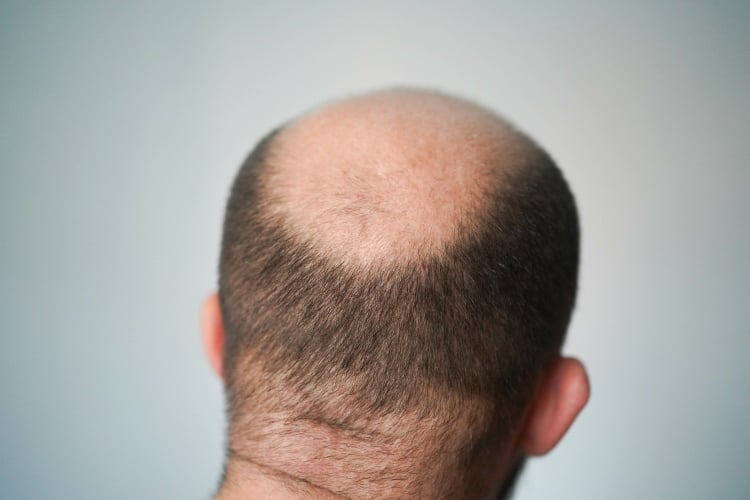
Density in the crown area is essential for a natural appearance and confidence. Hair that is too sparse can appear patchy, drawing attention to thinning spots. Achieving density involves careful consideration of hair direction, follicle spacing, and overall scalp characteristics. Every individual has a unique pattern, making personalized planning vital. Proper density gives the crown a visually consistent look and ensures the surrounding hair blends naturally with the transplanted area.
## Hair Follicle Distribution Techniques
- Strategic placement of follicles is crucial for creating the illusion of density.
- The use of variable angles mimics natural hair growth.
- Denser areas are created using slightly tighter spacing in key regions.
- Thinner areas may require wider spacing to maintain realism.
- Layering follicles at different depths enhances thickness perception.
## Role of Hair Thickness
Hair thickness significantly impacts perceived density. Thicker hair naturally covers more scalp area, making the crown appear fuller even with fewer follicles. Fine hair may require a higher number of grafts to achieve the same visual effect. Practitioners often assess individual hair shaft diameter before planning density. Considering hair thickness ensures that transplanted hair complements existing strands seamlessly, resulting in a natural look without overloading the scalp or causing crowding.
## Strategic Angling for a Natural Look
Angling hair in the crown region is vital for density and authenticity. Hair grows in various directions, forming whorls and natural flow patterns. Correct angling ensures transplanted hair aligns with these natural directions, avoiding a stiff or unnatural appearance. Practitioners adjust angles based on each patient’s growth pattern. Proper angling also helps distribute hair visually, giving the impression of fullness without needing an excessive number of grafts.
## Layering Techniques
- Layering allows for a gradual increase in perceived density.
- Follicles are placed at multiple heights to mimic natural growth.
- Top layers are slightly sparser to prevent a bulky look.
- Lower layers create a foundation for coverage.
- This method enhances depth and richness without overloading the scalp.
## Maximizing Donor Hair Use
Effective use of donor hair is key to achieving crown density. Harvesting from stronger, more resilient areas ensures long-lasting coverage. Prioritizing follicles that are naturally thicker or healthier increases overall visual fullness. Careful planning avoids overharvesting, which could compromise both the donor and recipient areas. Optimal distribution of donor hair ensures a balanced look, supporting density while maintaining natural growth patterns throughout the crown region.
## Use of Micro-Grafting
- Micro-grafting is effective for enhancing crown density.
- Single or double follicle units are often used in sparse areas.
- These tiny grafts blend seamlessly with existing hair.
- Allows for finer control over coverage and spacing.
- Reduces the risk of an artificial appearance while maximizing fullness.
## Importance of Scalp Preparation
A well-prepared scalp supports better graft survival and density perception. Ensuring the scalp is clean and healthy allows hair follicles to integrate naturally. Prepping includes careful cleaning, minor adjustments to the recipient site, and consideration of scalp elasticity. This preparation ensures follicles can be spaced optimally and that transplanted hair aligns with natural patterns. A prepared scalp is essential for both visual density and long-term maintenance.
## Common Density Challenges
Achieving crown density has its challenges. Hair in this area tends to grow in a swirling pattern, which can make uniform coverage difficult. Natural thinning patterns may require creative placement of follicles to avoid noticeable gaps. Individual hair characteristics like curl, color, and thickness further complicate the process. Practitioners need to balance coverage with aesthetics, ensuring the crown appears dense without looking unnatural or overcrowded.
## Final Thoughts
Achieving optimal density in a crown hair transplant is a careful balance of art and strategy. Techniques such as follicle distribution, angling, layering, and micro-grafting all contribute to a natural, full look. Individual hair characteristics and scalp conditions must be considered to maintain seamless integration. With thoughtful planning and execution, the crown can regain a youthful appearance, offering both visual appeal and renewed confidence for patients seeking hair restoration solutions.