# Does Hair Transplant Work for Thinning Crown Areas?
Hair thinning at the crown is one of the most common concerns among men and women experiencing pattern hair loss. This area, located at the top back portion of the scalp, often becomes noticeable when hair density gradually decreases over time. Many individuals exploring options such as a [**Hair Transplant in Dubai**](https://dynamicaestheticdubai.ae/hair-transplant-in-dubai/) wonder whether restoring fullness in this region is truly achievable. Because the crown has a distinct growth pattern, addressing thinning here requires careful consideration and realistic expectations.
## Why the Crown Is Prone to Hair Loss
The crown is particularly vulnerable to progressive thinning due to genetic and hormonal influences that affect follicle sensitivity. In many cases, the hair in this region becomes finer before eventually disappearing, leaving a visible patch that expands slowly. Unlike frontal hairline recession, crown thinning may go unnoticed at first because it is less visible from the front. However, over time, it can significantly impact overall hair appearance and confidence.
## Is Hair Transplant Suitable for Crown Areas?
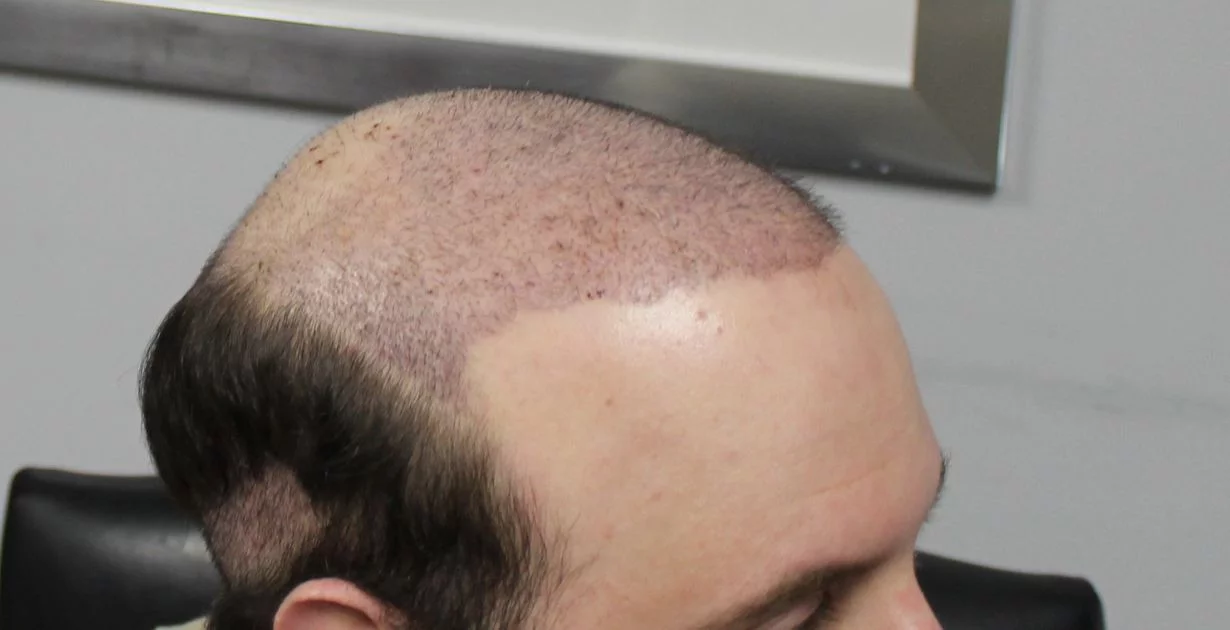
Hair transplant treatments are widely considered an option for individuals struggling with thinning at the crown. Suitability depends largely on the pattern of hair loss and the availability of healthy donor hair from other scalp areas. Since the crown often requires strategic density placement, patients must have enough stable follicles to support coverage. When properly planned, transplantation can enhance the appearance of fullness without altering natural growth direction.
## Key Factors That Influence Effectiveness
- The extent of thinning in the crown region
- The stability of surrounding hair
- The quality and density of donor hair
- The individual’s age and future hair loss pattern
- Overall scalp health and condition
## Differences Between Crown and Hairline Restoration
Crown restoration differs significantly from hairline work because the visual impact and density requirements are unique. The crown typically contains a circular growth pattern, often called a swirl, which demands careful alignment for a natural appearance. Additionally, more grafts may be needed to create visible coverage due to the broader surface area. Unlike hairline enhancement, crown improvement focuses on blending rather than framing the face.
## Who Makes an Ideal Candidate?
- Individuals with stable pattern hair loss
- Those with sufficient donor hair reserves
- People seeking improved density rather than extreme volume
- Candidates with realistic aesthetic expectations
- Individuals in good overall health
## Common Concerns About Crown Transplants
Many individuals hesitate to pursue crown restoration because they worry about unnatural patterns or uneven density. While these concerns are understandable, proper planning helps maintain harmony with existing hair. Another common question involves whether transplanted hair will blend seamlessly with surrounding strands. When performed correctly, transplanted hair follows the natural direction of growth, minimizing noticeable differences and enhancing overall scalp coverage.
## Managing Expectations for Crown Coverage
Crown thinning often requires a strategic density approach rather than complete thickening. Because this region covers a broader area, the focus typically centers on visual fullness rather than maximum density. People who expect dramatic volume may feel disappointed if they misunderstand this distinction. Clear expectations, paired with an understanding of gradual aesthetic enhancement, contribute to higher satisfaction and long-term confidence in the decision.
## Benefits of Addressing Crown Thinning
- Improved overall hair balance
- Enhanced appearance from multiple angles
- Increased confidence in social settings
- Better styling flexibility
- A more youthful overall look
## Final Thoughts
Hair transplant treatments can be a viable solution for thinning crown areas when candidacy, donor availability, and long-term planning are carefully evaluated. While the crown presents unique challenges compared to other regions of the scalp, it remains treatable with thoughtful design and realistic expectations. Individuals considering this option should focus on understanding their pattern of hair loss and overall goals to determine whether restoring crown density aligns with their desired appearance.