# Hepatitis B Test Myths and Facts You Should Stop Believing
Hepatitis B testing is a vital tool for protecting liver health, but misinformation and misconceptions often prevent people from getting screened. Understanding **[Hepatitis B test in Dubai](Hepatitis B Test in Dubai)** myths and facts helps separate fear from reality, encourages timely testing, and ensures proper prevention and care. This guide explores common myths, provides accurate information, and empowers individuals to make informed health decisions.
# Myth 1: You Only Need a Hepatitis B Test if You Feel Sick
Many people believe that testing is only necessary when symptoms appear. The fact is Hepatitis B often shows no symptoms in its early stages, even while it can silently damage the liver. Routine testing helps detect infection early, whether acute or chronic, allowing for timely monitoring and preventive care.
# Myth 2: A Negative Test Means You Can’t Get Infected
Some assume that a negative Hepatitis B test provides lifelong immunity. In reality, a negative result indicates that you are not currently infected and may not be immune. Susceptible individuals should consider vaccination or booster doses to ensure full protection against future exposure.
# Myth 3: Only High-Risk People Need Testing
While certain groups, such as healthcare workers or individuals with multiple sexual partners, are at higher risk, Hepatitis B testing is recommended for everyone at some point. Routine screening during pregnancy, pre-employment health checks, and general wellness visits helps identify silent infections that might otherwise go unnoticed.
# Myth 4: Vaccination Means You Don’t Need Testing
Vaccination greatly reduces the risk of infection, but it doesn’t always guarantee full immunity. Some people do not respond to the vaccine, and immunity can wane over time. A Hepatitis B immunity test can confirm whether protective antibodies are present and if a booster dose is needed.
# Myth 5: Hepatitis B Is Only Spread Through Sexual Contact
While sexual transmission is a common route, Hepatitis B can also spread through contact with infected blood, sharing needles, or exposure to contaminated medical equipment. Misunderstanding transmission risks can lead to false security and delayed testing. Comprehensive education and testing help prevent infection in all scenarios.
# Myth 6: Testing Is Painful or Complicated
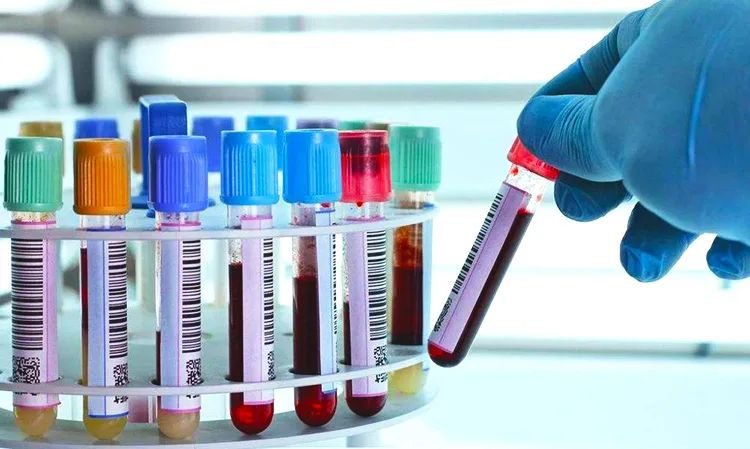
Many avoid testing because they fear discomfort or a complex procedure. In reality, a Hepatitis B test is a simple blood draw performed in a safe and controlled environment. The process is quick, minimally invasive, and provides valuable information for long-term liver health.
# Myth 7: You Don’t Need to Retest After Vaccination
Some believe that once vaccinated, further testing is unnecessary. However, checking antibody levels after vaccination ensures that immunity is protective, particularly for healthcare workers, immunocompromised individuals, or people exposed to high-risk environments. Follow-up testing verifies that vaccination has been effective.
# Myth 8: Positive Test Results Are a Death Sentence
A positive Hepatitis B test can be alarming, but it is not a death sentence. Many people live long, healthy lives with proper monitoring, antiviral therapy if needed, and lifestyle adjustments. Early detection through testing allows for interventions that significantly reduce liver damage and complications.
# Myth 9: Hepatitis B Testing Can Be Avoided With Home Remedies
No home remedy or natural approach can replace proper testing and medical care. While healthy lifestyle choices support liver function, accurate Hepatitis B testing is necessary to detect infection, assess immunity, and guide preventive or treatment measures.
# Fact: Early Testing Saves Lives
The most important fact is that Hepatitis B testing, whether for diagnosis, immunity, or routine screening, is crucial for early intervention. Early detection allows for monitoring, vaccination, and timely treatment, significantly reducing the risk of cirrhosis, liver failure, or liver cancer.
# Fact: Testing Is Safe and Highly Accurate
Modern Hepatitis B tests are highly sensitive and reliable. Blood samples are analyzed for surface antigens, core antibodies, and surface antibodies, providing a clear picture of infection status, immunity, and past exposure. Proper timing and follow-up testing ensure accurate interpretation.
# Fact: Everyone Can Benefit From Testing:
Testing is not limited to high-risk groups. Pregnant women, travelers, healthcare workers, and anyone with potential exposure benefit from Hepatitis B screening. Routine testing helps identify silent infections and confirm immunity, supporting both personal and public health.
# Fact: Understanding Your Status Empowers Health Decisions:
Knowing your Hepatitis B status allows you to make informed decisions about vaccination, lifestyle, and medical care. Positive, negative, or immune results all provide actionable insights that protect liver health and prevent transmission.
# Conclusion:
Dispelling **[Hepatitis B test](Hepatitis B Test)** myths is key to improving awareness, encouraging timely screening, and protecting liver health. Testing is simple, safe, and essential, whether for diagnosing infection, confirming immunity, or monitoring chronic Hepatitis B. By focusing on facts and understanding your results, you can take control of your health and prevent unnecessary complications.