# Full STD Panel Testing After Exposure: What to Expect
Experiencing a potential exposure to a sexually transmitted infection can be stressful and overwhelming. One of the most effective ways to protect your health and that of your partners is to undergo a **[full STD panel in Dubai](https://stdtestdubaiuae.ae/services/full-std-panel-in-dubai/)**. Comprehensive testing evaluates multiple infections at once, provides clarity, and supports timely intervention. Understanding what to expect before, during, and after testing helps reduce anxiety and ensures accurate results.
# Why Prompt Testing Matters?
After potential exposure, time is a critical factor in sexual health. Early detection allows infections to be treated before they cause complications or are unknowingly transmitted to others. Many STDs, including chlamydia, gonorrhea, and HIV, may remain asymptomatic initially, making comprehensive testing essential even when no symptoms are present.
A full STD panel provides a broad assessment, covering bacterial, viral, and parasitic infections, which increases the likelihood of identifying any infection early. Prompt testing also supports preventive care and responsible sexual behavior.
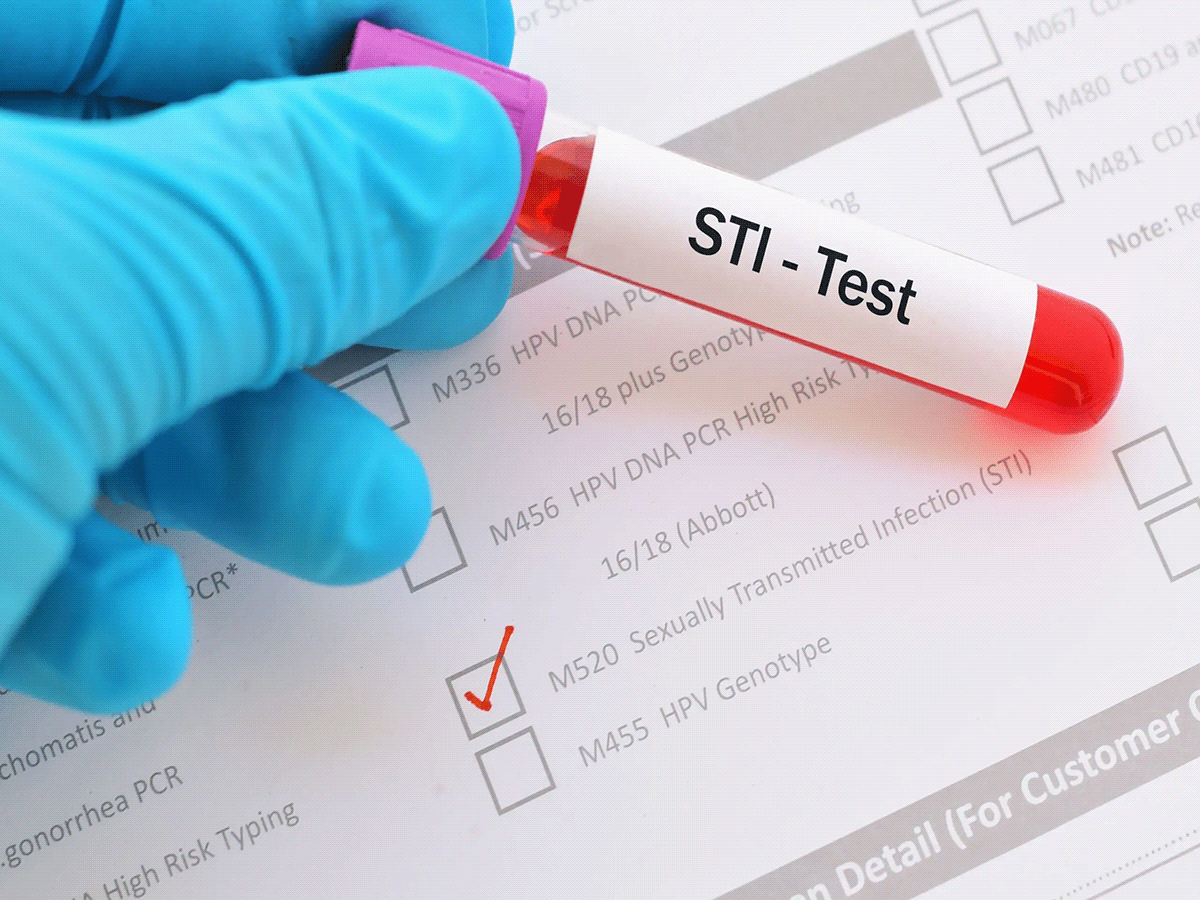
# Understanding Window Periods:
A key consideration after exposure is the “window period,” which is the time between infection and when it becomes detectable through testing. Different infections have different window periods. For example, HIV may not be detectable for several weeks, while bacterial infections like chlamydia and gonorrhea are usually identifiable sooner.
Being aware of window periods helps you determine the optimal timing for a full STD panel. In some cases, initial testing may be followed by repeat screening to ensure accurate results. This step is crucial for reliable detection and proper care.
# What Infections Are Typically Screened?
A full STD panel after exposure generally tests for multiple infections simultaneously. Common bacterial infections include chlamydia, gonorrhea, and syphilis. Viral infections such as HIV, hepatitis B, hepatitis C, and herpes are often included as well. Depending on risk factors and symptoms, additional infections like trichomoniasis or human papillomavirus (HPV) may be screened.
Comprehensive screening is particularly valuable after exposure because many infections do not produce symptoms immediately, and overlapping symptoms can make self-assessment unreliable.
# How to Prepare for Testing?
Proper preparation before a full STD panel can improve accuracy and comfort. Sample collection may involve blood, urine, or swabs from the genitals, rectum, or throat, depending on the infections tested. Following instructions, such as avoiding urination for a short period before urine tests, ensures reliable results.
Being honest with your healthcare provider about recent exposures, symptoms, and medications helps them interpret results accurately. Mental preparation is also important—knowing what to expect reduces anxiety and allows for a smoother testing experience.
# What Happens During the Testing Process?
The full STD panel is typically straightforward and minimally invasive. Blood draws are used for HIV, syphilis, and hepatitis testing. Urine samples are commonly collected for chlamydia and gonorrhea, while swabs may be used for infections affecting the throat or rectum.
The procedure is generally quick, and most clinics prioritize confidentiality and comfort. Understanding the steps helps reduce stress and ensures you are prepared for the process.
# After the Test: Waiting for Results
Waiting for test results can be anxiety-inducing. Depending on the laboratory and the number of infections tested, results may take a few days to a week. During this period, it is important to avoid sexual activity or use protection to prevent potential transmission, especially if you suspect exposure.
Healthcare providers will explain how and when results will be communicated and what follow-up steps may be required based on findings. Being informed about the timeline helps manage expectations and reduce stress.
# Interpreting Your Results:
Full STD panel results may include terms like positive, negative, reactive, or non-reactive. A negative result generally means no detectable infection at the time of testing, though window periods may necessitate repeat testing. A positive or reactive result indicates the presence of an infection and usually requires follow-up testing or treatment.
Healthcare providers can explain the significance of each result, answer questions, and develop a treatment or monitoring plan tailored to your needs. Understanding your results fully is crucial for making informed decisions about your health and relationships.
# Follow-Up and Treatment:
If an infection is detected, early intervention is key. Many bacterial infections are treatable with antibiotics, while viral infections may require antiviral therapy or long-term monitoring. Prompt treatment helps prevent complications and reduces the risk of transmitting the infection to partners.
Follow-up testing may be recommended to confirm that treatment was effective or to screen for additional exposures. A full STD panel after exposure often includes guidance on next steps, helping you stay proactive and protected.
# Emotional Considerations:
Potential exposure and awaiting results can create stress, anxiety, or guilt. Recognizing these emotions as normal is important. Comprehensive testing provides clarity and allows you to take action, which can alleviate uncertainty.
Sharing results with partners can be difficult, but transparency supports trust and responsible sexual behavior. Counseling and support services are available in many healthcare settings to help navigate the emotional aspects of testing.
# Preventing Future Exposure:
After receiving your results, whether negative or positive, it is important to discuss prevention strategies with your healthcare provider. Using protection, limiting the number of sexual partners, and regular screening are effective ways to reduce risk.
A full STD panel after exposure is not only about detecting infection—it is also an opportunity to reinforce healthy sexual habits and prevent future exposure.
# Final Thoughts:
A **[full STD panel](https://stdtestdubaiuae.ae/services/full-std-panel-in-dubai/)** after exposure provides comprehensive insight into sexual health and ensures early detection of infections that may otherwise remain hidden. Understanding what to expect, preparing properly, and following up on results supports both personal well-being and the health of sexual partners.
By approaching post-exposure testing proactively, individuals can reduce anxiety, receive timely care, and take control of their sexual health. Comprehensive screening after exposure is an essential step in responsible sexual health management and long-term wellness.