# Does Moles Removal Protect Skin From Melanoma?
Moles are common skin growths that often appear in childhood or adolescence. While most moles are harmless, certain changes in their appearance may indicate potential skin issues. Many people wonder if proactively removing moles can help prevent skin cancer, particularly melanoma, which is the most aggressive form of skin cancer. In modern dermatology, **[Moles Removal in Dubai](https://dynamicaestheticdubai.ae/moles-removal-in-dubai/)** has become a widely recognized procedure for both cosmetic and medical reasons, performed by highly trained specialists who carefully assess each case.
## Understanding Moles and Their Risks
Moles develop due to clusters of pigment-producing cells called melanocytes. While the majority remain benign, some moles have a higher risk of becoming melanoma. Dermatologists focus on identifying atypical or dysplastic moles that exhibit irregular shapes, uneven colors, or rapid growth. Recognizing these features early allows for preventive measures and timely removal, safeguarding the skin against malignancy.
## How Dermatologists Evaluate Moles?
Professional dermatologists employ advanced dermatoscopic tools to examine moles in detail. They look for asymmetry, border irregularities, color variations, diameter, and evolving characteristics—a set of criteria known as the ABCDE rule. By conducting thorough evaluations, dermatologists can distinguish between harmless moles and those requiring excision, ensuring patients receive personalized care that maximizes skin protection.
## The Role of Moles Removal in Melanoma Prevention
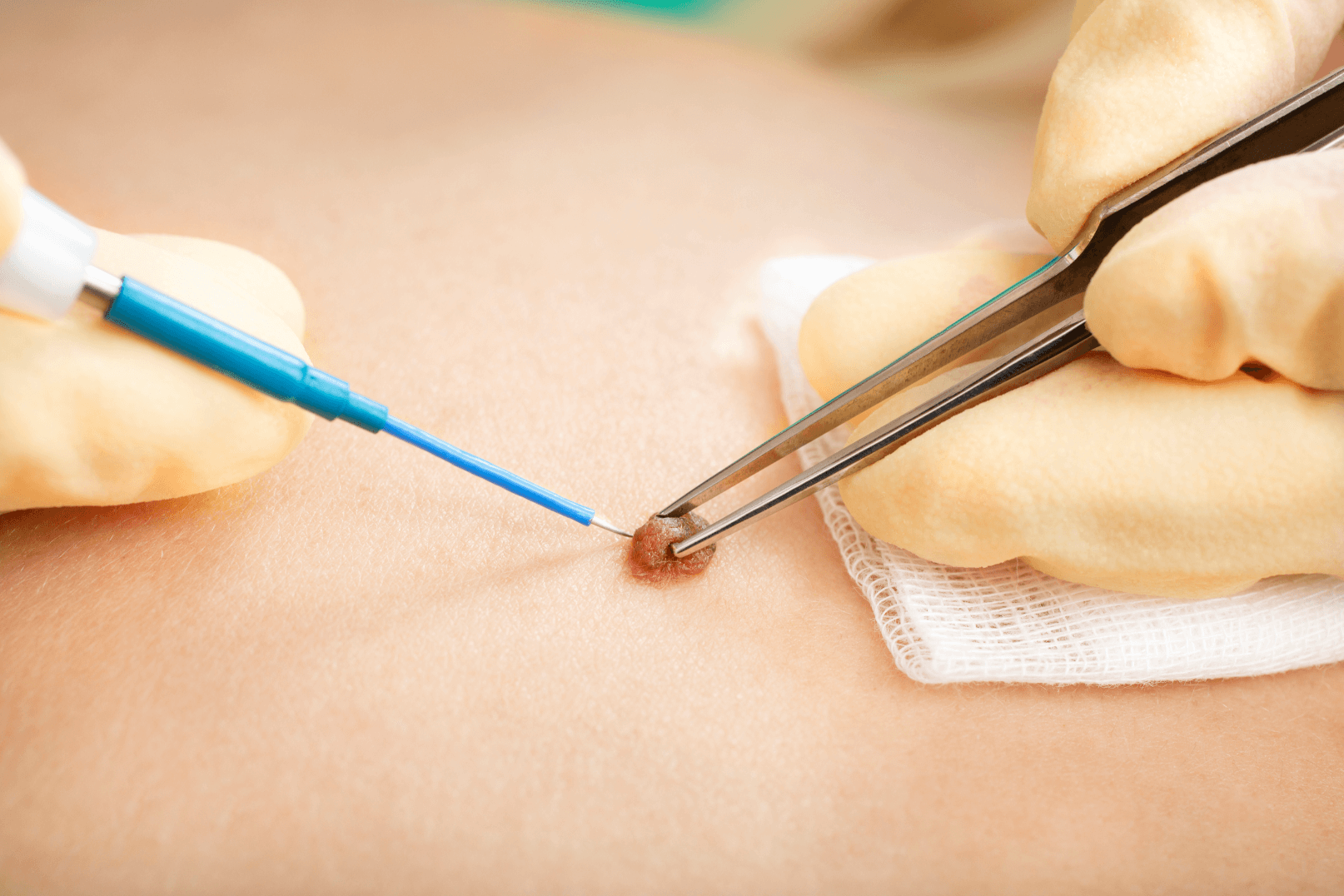
Removing suspicious moles can significantly reduce the risk of melanoma. Excision under professional supervision ensures that the entire mole is safely removed and sent for histopathological analysis. This process not only prevents potential malignant transformation but also provides peace of mind to patients. Dermatologists specializing in mole removal bring years of experience, enhancing the safety and effectiveness of the procedure.
## Surgical and Non-Surgical Options
- Excisional Surgery
- Shave Removal
- Laser Treatment
- Cryotherapy
- Electrocautery
## Monitoring After Mole Removal
Even after a mole is removed, continuous skin monitoring is essential. Regular check-ups allow dermatologists to identify new or changing moles promptly. Patients are educated on self-examination techniques, enabling them to detect unusual changes early. This proactive approach, combined with expert care, plays a crucial role in ongoing melanoma prevention.
## Signs That Indicate Mole Evaluation
Certain indicators signal the need for professional evaluation: sudden growth, color change, bleeding, itching, or irregular borders. Dermatologists trained in mole assessment can determine whether these signs necessitate removal, helping patients take timely preventive action.
### Lifestyle and Skin Health Considerations
Maintaining healthy skin complements the benefits of mole removal. Protection from excessive sun exposure, the use of high-SPF sunscreens, and routine dermatological screenings are essential. Combining preventive measures with expert mole removal maximizes skin safety and reduces the long-term risk of melanoma.
### Cosmetic and Psychological Benefits of Mole Removal
- Boosts self-confidence by improving skin appearance
- Eliminates discomfort from raised or irritated moles
- Enhances peace of mind regarding skin health
- Reduces anxiety related to potential melanoma
- Allows patients to wear clothing or swimwear without concern
## Expertise and Specialization in Mole Removal
Dermatologists performing mole removal in Dubai often undergo extensive training in dermatologic surgery and skin oncology. Their expertise allows precise excision with minimal scarring and accurate pathological assessment. Specialization ensures that each patient receives a tailored approach, combining medical necessity with advanced cosmetic outcomes.
## Preventive Skin Strategies Beyond Mole Removal
- Routine dermatological check-ups
- Daily application of broad-spectrum sunscreen
- Wearing protective clothing during sun exposure
- Avoiding tanning beds
- Awareness of family history of skin cancer
## FAQ's:
**What types of moles should be removed to prevent melanoma?**
Suspicious moles that are asymmetrical, have irregular borders, multiple colors, or show rapid changes should be evaluated and possibly removed.
**Is mole removal completely safe?**
When performed by specialized dermatologists, mole removal is highly safe, minimizing complications and ensuring thorough examination of tissue.
**Can mole removal guarantee melanoma prevention?**
While it reduces the risk of melanoma from specific moles, it does not eliminate the possibility of developing new skin cancers. Continuous monitoring is essential.
**How often should I have my moles checked?**
Annual skin checks are recommended, though high-risk individuals may need more frequent evaluations.
**Does mole removal affect skin appearance?**
Expert dermatologists ensure minimal scarring and natural-looking results, combining safety with cosmetic appeal.
#### Conclusion
Moles removal serves as a vital step in protecting the skin from melanoma, especially when performed by skilled dermatologists who combine surgical precision with extensive dermatologic expertise. By evaluating suspicious moles, selecting appropriate removal techniques, and emphasizing follow-up care, patients significantly lower their risk of skin cancer. Complementary preventive measures, such as sun protection and routine skin monitoring, further enhance skin health. Ultimately, professional mole removal not only safeguards against melanoma but also provides patients with confidence in their skin’s appearance and ongoing well-being.