# How is hair transplant performed on bald patches?
Hair loss can be distressing, especially when it forms distinct bald patches that affect appearance and confidence. Many individuals look for effective ways to restore natural hair growth. One of the widely recognized solutions is [**Hair Transplant in Dubai**](https://dynamicaestheticdubai.ae/hair-transplant-in-dubai/), a method designed to target specific areas of hair thinning. This approach ensures that hair is moved precisely from healthier regions to the bald patches, offering a natural and uniform appearance over time.
## Understanding Hair Transplant
Hair transplant techniques focus on relocating hair from donor areas to the areas with thinning or bald patches. Experts carefully select the donor hair to ensure a consistent texture and density. These techniques are minimally invasive, aiming to avoid unnecessary trauma to surrounding tissues. The goal is to create an even spread and coverage of hair while maintaining the natural direction of hair growth. Proper planning ensures that the transplanted hair blends seamlessly with existing strands.
## Preparing the Scalp
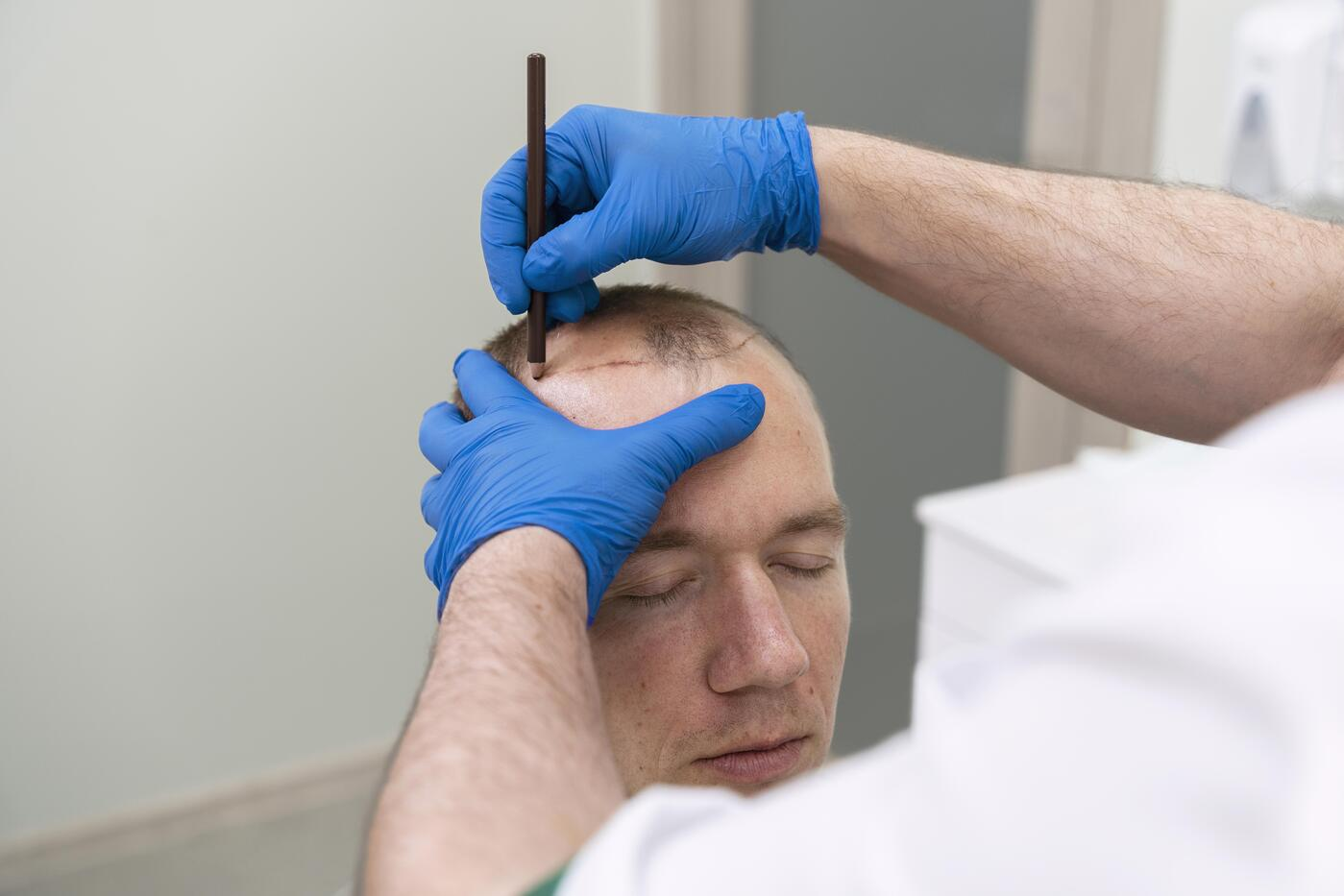
Before addressing bald patches, the scalp undergoes careful preparation. The area is cleaned thoroughly, and the donor site is examined for hair quality and density. Minor markings are made to guide hair placement and orientation. This preparation ensures precision during hair relocation and helps prevent uneven growth patterns. Additionally, maintaining scalp hygiene and hydration plays a role in ensuring optimal hair survival and recovery after transplantation.
## Extraction of Donor Hair
- Donor hair is chosen from regions with permanent hair characteristics.
- Extraction is performed with meticulous care to minimize scarring.
- Each follicle is handled individually for better survival.
- Special tools allow precise removal without damaging surrounding tissues.
- Extraction considers the angle and direction of natural hair growth.
## Preparing Hair for Relocation
Once extracted, the hair follicles are prepared for relocation. They are cleaned and sorted to ensure only healthy follicles are used. Maintaining hydration and proper storage prevents damage to the delicate hair roots. Every follicle is assessed to confirm its viability, and attention is given to preserving the natural thickness and shape. Correct handling during this stage directly affects the overall outcome and the natural appearance of the hair in bald areas.
## Creating Recipient Sites
- Each site is positioned to maintain natural hairlines.
- Depth is controlled to prevent damage to underlying tissue.
- Sites are spaced evenly to avoid over-crowding.
- Orientation follows natural hair growth patterns.
- Precision ensures that the transplanted hair blends with existing hair.
## Placement of Hair Follicles
Hair follicles are gently implanted into the prepared recipient sites. Each follicle is placed with attention to angle and alignment. The process prioritizes minimizing trauma while ensuring the follicles are securely situated. Proper placement allows the hair to grow naturally and avoids complications such as unnatural angles or clumping. The careful approach helps in achieving seamless blending and improves the overall look of bald patches.
## Post-Transplant Care
- Keep the scalp clean and avoid touching or scratching.
- Use mild shampoos recommended by professionals.
- Avoid direct sun exposure for a period.
- Refrain from strenuous activities that may cause sweating.
- Follow any specific guidance provided for scalp protection.
## Expected Growth Patterns
Hair in the transplanted areas follows a predictable growth pattern once the follicles settle. Although new strands may initially appear thin, they gradually thicken over time. Consistent follow-up and monitoring help track progress and ensure the hair aligns with natural patterns. Patience is necessary, as the hair adapts to its new environment and strengthens with regular care. The outcome is a fuller and harmonious appearance across previously bald patches.
## Natural Look and Hairline Design
One of the main goals is achieving a natural hairline and blending with existing hair. Specialists consider facial structure, age, and hair density to create a design that looks authentic. Subtle variations in follicle placement help mimic natural growth. Hairline design emphasizes symmetry and proportion, ensuring that the transplanted hair complements the individual’s features without appearing artificial. Every adjustment is made with the intention of creating confidence and a balanced aesthetic.
## Final Thoughts
Hair transplant for bald patches is a precise and meticulous process that restores hair in areas affected by thinning. Each stage, from extraction to placement, requires careful planning and skilled execution. With proper care and attention, transplanted hair integrates seamlessly with existing strands, providing a natural and balanced look. This approach offers a reliable solution for those seeking to improve hair density and enhance self-confidence, focusing entirely on the transformation of the affected areas.