# How Is Skin Cancer Diagnosed at Dermatech?
Skin cancer diagnosis relies on accuracy, early detection, and a structured clinical approach to ensure the best possible outcomes. At **[Dermatechpolyclinic]( https://dermatechpolyclinic.com/)**, the diagnostic pathway focuses on identifying suspicious skin changes through advanced evaluation methods while educating patients on recognizing early warning signs. This process emphasizes visual assessment, technology-assisted screening, and confirmatory testing, all aimed at detecting skin cancer at its earliest and most treatable stages. Understanding how diagnosis works empowers individuals to take timely action and participate actively in their skin health journey.
# What Is The Treatment And How It Works?
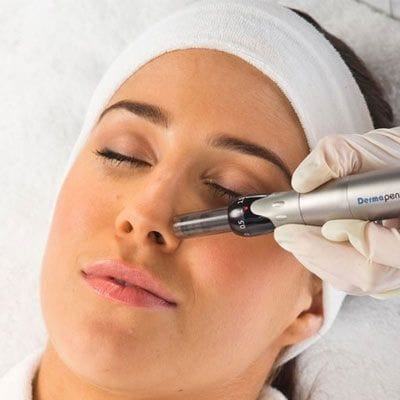
Although diagnosis is the first step, understanding treatment provides clarity on the overall care pathway. Skin cancer treatment refers to medical procedures designed to remove or destroy cancerous skin cells once identified. The process works by targeting abnormal cell growth while preserving as much healthy skin as possible. Treatment plans are developed after diagnostic confirmation and are tailored to the type, size, depth, and location of the cancer.
# Importance Of Treatment:
Early and appropriate treatment is essential because it:
* Prevents cancer from spreading to deeper tissues
* Reduces the risk of recurrence
* Preserves skin appearance and function
* Supports long-term health and peace of mind
# Types Of Treatment:
Different treatment options may be recommended based on diagnostic findings. Commonly used approaches include:
* Surgical removal of abnormal tissue
* Targeted therapies for specific cancer cells
* Topical applications for superficial lesions
* Light-based therapies for early-stage conditions
Each method is selected to align with the diagnostic results and individual needs.
# Preparation And Aftercare:
Preparation for diagnostic procedures usually involves keeping the skin clean and avoiding products that may mask lesions. After diagnostic tests, aftercare focuses on:
* Monitoring the examined area for changes
* Following skin protection guidelines
* Attending follow-up evaluations if recommended
These steps support accurate diagnosis and ongoing skin health.
# Ideal Candidate:
Anyone noticing unusual skin changes may be considered an ideal candidate for skin cancer diagnosis. This includes individuals with:
* New or changing moles
* Persistent sores or lesions
* Uneven skin coloration
* A history of excessive sun exposure
Early assessment is especially important for those with risk factors.
# How To Choose A Right Clinic?
Selecting a suitable facility for skin cancer diagnosis involves considering:
* Availability of advanced diagnostic tools
* Emphasis on early detection protocols
* Patient-centered evaluation processes
* Clear communication and education
A well-structured diagnostic environment ensures confidence and clarity throughout the process.
# Risks:
Diagnostic procedures are generally safe, but potential risks may include:
* Minor skin irritation after testing
* Temporary discomfort during sampling
* Anxiety related to waiting for results
These risks are minimal compared to the benefits of early detection.
# Benefits:
The advantages of timely and accurate diagnosis include:
* Early intervention opportunities
* Reduced treatment complexity
* Improved long-term outcomes
* Enhanced awareness of skin health
Diagnosis acts as a preventive measure as much as a medical necessity.
# FAQs:
**How long does skin cancer diagnosis take?**
The initial assessment is often completed in one visit, while confirmatory results may take additional time.
**Is diagnosis painful?**
Most diagnostic steps are minimally invasive and cause little to no discomfort.
**Can skin cancer be detected early?**
Yes, early detection is possible through regular skin evaluations and prompt attention to changes.
**Do I need follow-up after diagnosis?**
Follow-up is recommended to monitor skin health and ensure no new changes develop.
# Conclusion:
Skin cancer diagnosis is a vital process that combines clinical expertise, technology, and patient awareness to detect potential issues early. When approached systematically, as seen at **[Dermatechpolyclinic in Dubai]( https://dermatechpolyclinic.com/)**, diagnosis becomes a proactive step toward long-term skin health rather than a reactive measure. Staying informed, seeking timely evaluation, and understanding the diagnostic pathway can make a significant difference in outcomes and overall well-being.