# HPV Test After Vaccination: Is It Still Necessary?
Human papillomavirus (HPV) vaccination has revolutionized preventive healthcare by protecting against the most dangerous strains of the virus. However, many people wonder whether **[HPV testing in dubai](https://stdtestdubaiuae.ae/services/hpv-test-dubai/)** is still necessary after vaccination. Understanding the role of screening in vaccinated individuals is essential for maintaining sexual and reproductive health and preventing HPV-related cancers.
# How HPV Vaccination Works?
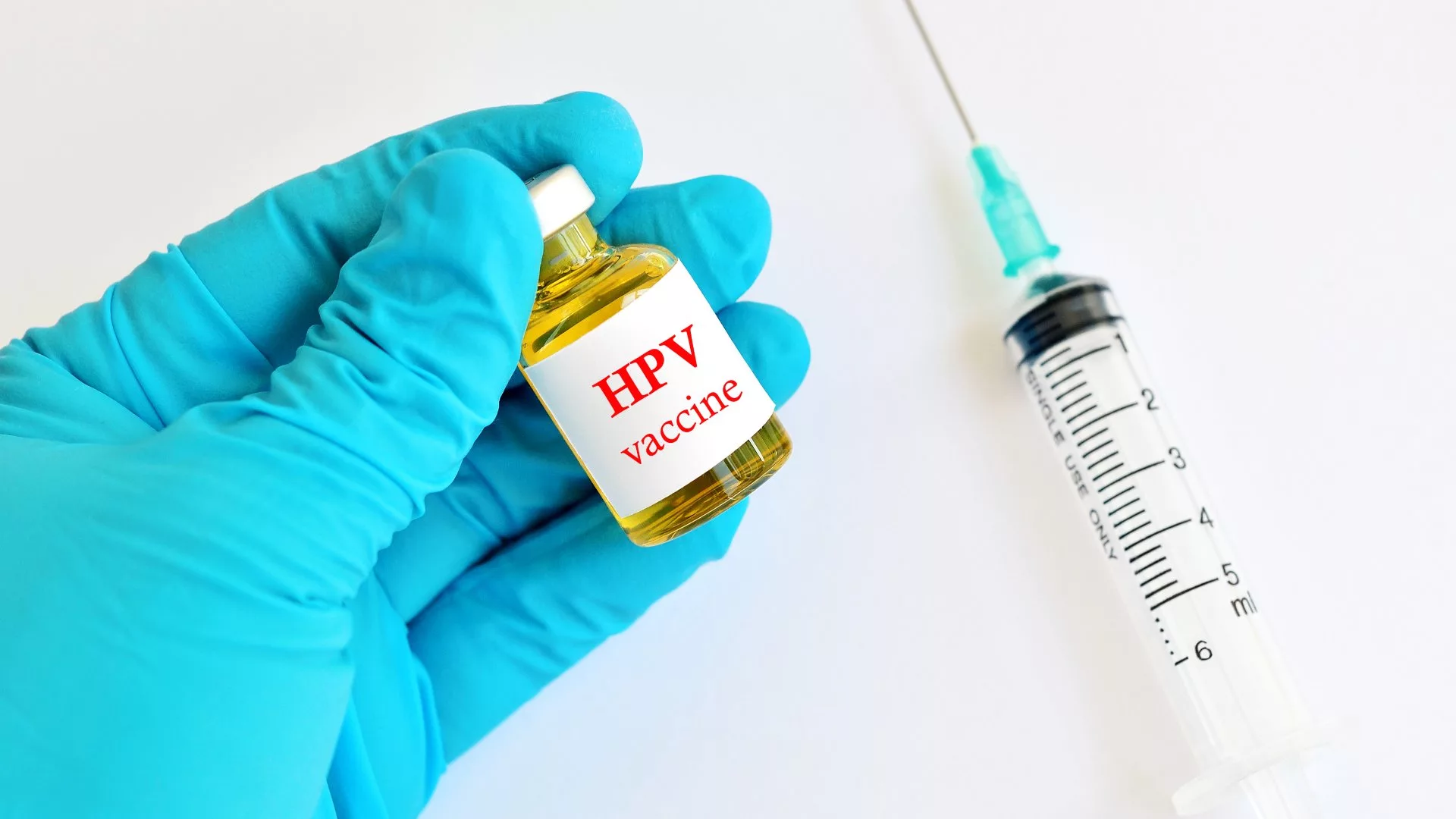
HPV vaccines protect against the high-risk strains most commonly associated with cervical, anal, and other cancers, including HPV-16 and HPV-18. Some vaccines also cover several additional high-risk and low-risk types that can cause genital warts. Vaccination is most effective when administered before exposure to the virus, which is why it is recommended for preteens and young adults.
# Why Vaccination Does Not Eliminate the Need for Testing?
While vaccination significantly reduces the risk of infection with certain high-risk strains, it does not protect against all HPV types. Other high-risk strains not included in the vaccine can still cause precancerous lesions or cancer. HPV testing remains necessary to detect these infections early and to ensure timely monitoring and intervention if cellular changes occur.
# Recommended Screening Guidelines for Vaccinated Individuals:
Medical guidelines recommend that women follow the same screening schedule regardless of vaccination status. Cervical cancer screening begins at age 21 with Pap smears every three years for women aged 21–24. From age 25, high-risk HPV testing alone or in combination with a Pap smear (co-testing) is recommended every three to five years, depending on the method used. These recommendations ensure that persistent infections from strains not covered by the vaccine are detected promptly.
# The Role of HPV Testing in Early Detection:
Even after vaccination, HPV testing is critical for early detection of high-risk infections. The test identifies viral DNA or RNA in cervical or anal cells, allowing healthcare providers to monitor for infections that could lead to precancerous lesions or cancer. Detecting high-risk strains early ensures timely follow-up procedures, such as colposcopy or biopsy, and effective management of any cellular changes.
# Benefits of Continued Screening:
Continued HPV testing after vaccination provides peace of mind and reinforces preventive healthcare. It allows for monitoring of persistent infections, detection of rare high-risk strains not included in vaccines, and prevention of cervical and other HPV-related cancers. Combined with vaccination, regular testing forms a comprehensive approach to reproductive and sexual health.
# Addressing Common Misconceptions:
A common misconception is that HPV vaccination removes the need for routine testing. While vaccination lowers risk, it does not eliminate the possibility of infection from unprotected strains. Another myth is that vaccinated individuals are completely immune to HPV-related cancers, but screening remains the most effective method for detecting precancerous changes early. Understanding these facts encourages adherence to recommended screening schedules.
# Lifestyle and Preventive Measures Alongside Testing:
Vaccination and **[HPV testing](https://stdtestdubaiuae.ae/services/hpv-test-dubai/)** are most effective when complemented by safe sexual practices, such as consistent condom use and limiting the number of sexual partners. Maintaining a healthy immune system through proper nutrition, regular exercise, and avoiding smoking supports the body’s ability to clear infections naturally. Awareness of unusual symptoms, like genital warts or abnormal bleeding, should also prompt timely consultation with a healthcare provider.
# Conclusion:
HPV vaccination dramatically reduces the risk of infection from the most dangerous strains, but it does not replace the need for regular HPV testing. Screening remains essential for detecting high-risk infections not covered by the vaccine, monitoring cellular changes, and preventing cervical and other HPV-related cancers. By combining vaccination, routine testing, safe sexual practices, and healthy lifestyle choices, individuals can ensure comprehensive protection and proactive management of sexual and reproductive health.