# STD Test Explained: Types, Accuracy, and Timing
STD testing is one of the most effective yet misunderstood aspects of sexual healthcare. Many people delay getting tested because they are unsure which test they need, how accurate the results are, or when the right time is to test. Understanding these factors can remove uncertainty, reduce anxiety, and help you make informed decisions about your sexual health. This guide breaks down **[STD tests in Dubai](https://stdtestdubaiuae.ae/)** in a clear, practical way, focusing on test types, result accuracy, and proper timing.
# The Purpose of STD Testing in Modern Healthcare:
Sexually transmitted diseases, also known as sexually transmitted infections, often develop without noticeable symptoms. This silent nature makes STD screening essential, even for people who feel completely healthy. Routine testing helps identify infections early, allowing for timely treatment and reducing the risk of complications such as infertility, organ damage, or increased vulnerability to HIV.
Beyond individual health, STD testing plays a vital role in public health by limiting the spread of infections and encouraging safer sexual practices.
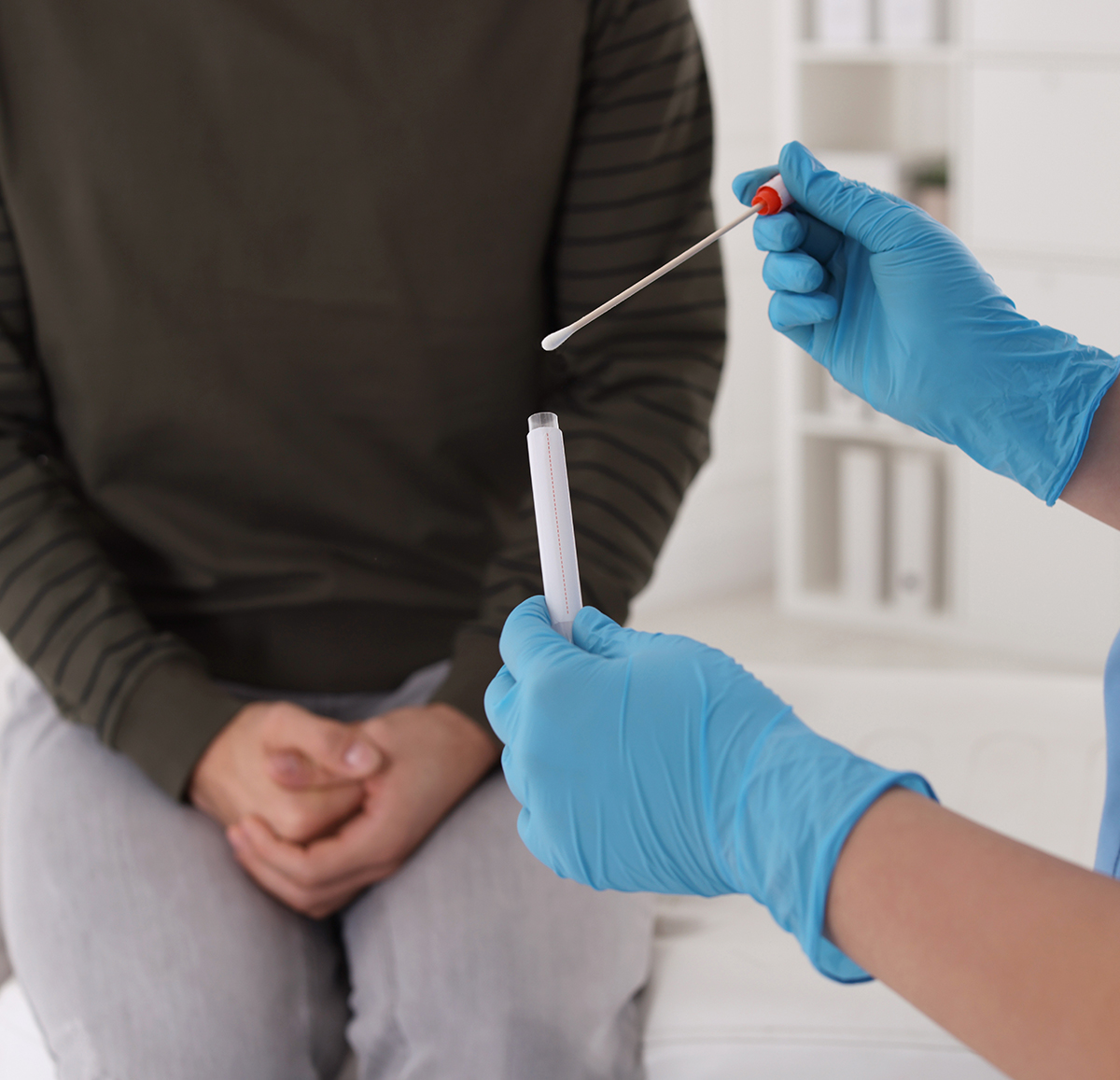
# How STD Tests Are Categorized?
STD tests are categorized based on how infections are detected and where samples are collected. The type of test you receive depends on factors such as sexual activity, symptoms, and exposure risk.
Blood-based STD tests are commonly used to detect infections like HIV, syphilis, and hepatitis. These tests look for antibodies or antigens produced in response to infection. Urine tests are frequently used for bacterial STDs such as chlamydia and gonorrhea, offering a non-invasive testing option. Swab tests collect samples from specific areas such as the cervix, vagina, urethra, throat, or rectum and are especially useful when exposure is localized.
In recent years, at-home STD test kits have also become widely available, allowing individuals to collect samples privately and send them to certified laboratories.
# Common STDs and the Tests Used to Detect Them:
Different sexually transmitted infections require different testing methods. Chlamydia and gonorrhea are typically detected using urine samples or swabs, depending on anatomy and exposure site. Syphilis is diagnosed through blood tests that identify antibodies. HIV testing may involve blood or oral fluid samples, with rapid testing options available.
Herpes testing can be more complex. Blood tests may detect past exposure, while swab tests are more accurate when active sores are present. HPV testing is often performed during cervical screening and may not be included in routine STD panels for all genders.
Understanding which infections are included in your STD test panel ensures you are fully informed about your screening results.
# Accuracy of STD Tests and What Influences Results:
Modern STD tests are highly accurate when used correctly, but accuracy depends on several factors. One of the most important is timing. Testing too soon after exposure can lead to false-negative results because the infection may not yet be detectable.
Test sensitivity, laboratory quality, and proper sample collection also affect accuracy. FDA-approved tests and certified laboratories follow strict standards to minimize errors. While false positives are rare, they can occur, which is why confirmatory testing is sometimes recommended.
Healthcare providers may suggest repeat testing if symptoms persist or if there is ongoing exposure risk.
# Understanding the STD Testing Window Period:
The window period refers to the time between exposure to an infection and when it becomes detectable by a test. This period varies depending on the STD.
Chlamydia and gonorrhea can usually be detected within one to two weeks after exposure. HIV may take several weeks, depending on the type of test used. Syphilis antibodies typically appear within three to six weeks, while hepatitis infections may take longer.
Testing within the correct window period is crucial for reliable results. If you test too early, your provider may recommend retesting at a later date.
# When Is the Right Time to Get Tested?
There are several situations where STD testing is strongly recommended. These include having a new sexual partner, engaging in unprotected sex, experiencing symptoms such as pain or unusual discharge, or being notified that a partner tested positive.
Routine testing is also encouraged for sexually active individuals, even in monogamous relationships. Many healthcare professionals advise annual STD screening as part of preventive care, with more frequent testing for those at higher risk.
Pregnant individuals are routinely tested for certain STDs to protect both maternal and infant health.
# What to Expect During an STD Test?
STD testing is usually straightforward and quick. A typical appointment may involve a brief discussion of your medical and sexual history, followed by sample collection. The process is designed to be respectful and confidential.
Most tests are minimally invasive, and discomfort is usually brief. Many clinics offer same-day appointments and rapid testing options, making it easier to fit sexual health care into a busy schedule.
# Receiving and Interpreting Test Results:
STD test results are usually available within a few days, although rapid tests can provide results within minutes. Your healthcare provider will explain what your results mean and whether further testing or treatment is needed.
A negative result indicates no infection was detected at the time of testing, but it does not guarantee future protection. A positive result means an infection was identified and treatment or management should begin promptly.
Understanding your results helps reduce fear and ensures appropriate next steps.
# What Happens After a Positive STD Test?
A positive STD test is not the end of the world. Many STDs are curable with antibiotics, and others can be effectively managed with medication. Early treatment reduces the risk of complications and transmission.
Your provider may discuss treatment plans, follow-up testing, and partner notification. Open communication and proper care can help you maintain both physical health and emotional well-being.
# Privacy, Confidentiality, and Testing Options:
Concerns about privacy often prevent people from seeking STD testing. Medical facilities are legally required to protect patient confidentiality. Many clinics offer discreet or anonymous testing options.
At-home **[STD testing](https://stdtestdubaiuae.ae/)** provides an additional level of privacy, allowing individuals to collect samples in a comfortable environment. Choosing a reliable testing provider ensures accurate results and appropriate follow-up care.
# STD Testing as a Preventive Health Strategy:
STD testing is most effective when combined with preventive practices such as condom use, honest communication with partners, and regular health checkups. Testing is not about blame or judgment; it is about awareness and responsibility.
Incorporating STD screening into routine healthcare normalizes sexual health and supports long-term wellness.
# Closing Perspective on STD Testing:
Understanding STD tests, their accuracy, and proper timing empowers you to take control of your sexual health. Knowledge replaces fear, and early detection leads to better outcomes. Whether you choose clinic-based testing or an at-home option, the most important step is getting tested when appropriate.
STD testing is not just a medical decision; it is an investment in your health, your relationships, and your peace of mind.